Monography: A Handwritten Font for Digital Design
The Beauty of a Display Font in Web Design
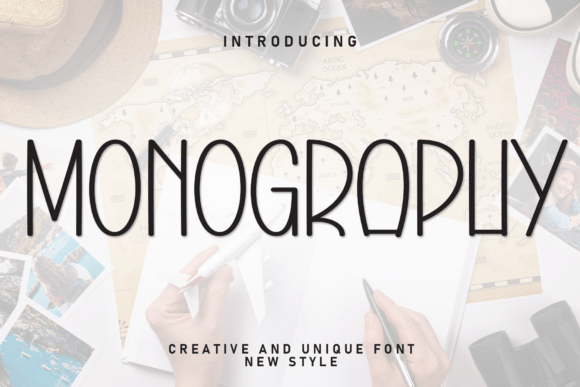
As a web designer, I’ve always believed that typography is one of the most powerful tools in shaping user experience. The right font can elevate a design, guide attention, and create an emotional connection with the audience. Monography, a charmingly delightful handwritten display font, brings a unique blend of sweetness and elegance to digital projects. Its playful yet refined style makes it a versatile choice for a wide range of applications—from branding to marketing materials.
Visual Characteristics and Personality
Monography stands out with its handcrafted appearance, evoking a sense of warmth and individuality. Each letterform feels like it was penned by hand, adding a personal touch to any layout. This personality is especially effective in creative fields where authenticity and character are valued. Whether used as a logo or as part of a hero section, Monography adds a layer of sophistication that resonates with both users and designers.
How Monography Supports Web Design
In web design, visual hierarchy plays a crucial role in guiding users through content. Monography’s bold and stylized nature makes it ideal for headers, titles, and call-to-action buttons. Its readability at larger sizes ensures that it doesn’t compromise on legibility, even when used in high-impact areas. Pairing it with a clean sans-serif font for body text creates a balanced contrast that enhances overall readability and usability.
Applying Monography in Real Layouts
- Hero Sections: Use Monography for the main headline in a hero section to draw immediate attention and set the tone for the page.
- Landing Pages: Incorporate it into headlines and subheadings to add visual interest without overwhelming the reader.
- Online Store Banners: Monography works well for product titles and promotional banners, making them stand out against background images.
- Blog Graphics: It’s perfect for post titles and social media graphics, offering a stylish alternative to standard fonts.
- Digital Ads: Its eye-catching appeal makes it suitable for ad copy and brand messaging across various platforms.
- Portfolio Sites: Use it for project titles and client names to reflect a creative and professional identity.
- Course Sales Pages: Monography adds a touch of elegance to course titles and key selling points.
- Branded Web Content: It can be integrated into logos, taglines, and branded assets to reinforce brand identity.
Readability and Usability Considerations
While Monography is visually striking, it’s important to consider how it performs in different contexts. On mobile screens, it should be used sparingly and at appropriate sizes to ensure clarity. When paired with a legible body font, it maintains a strong visual rhythm without sacrificing readability. For small buttons or dense text areas, it’s better suited for short phrases rather than long blocks of content.
Monography also performs well on both light and dark backgrounds, though it may require slight adjustments in contrast when used over image overlays. Testing across devices and screen sizes is essential to maintain consistency and usability throughout the user journey.
Font Pairing Strategies
Font pairing is a critical aspect of modern typography. Monography’s decorative nature means it should be paired with a more neutral, readable font for body text. A simple sans-serif font like Montserrat or Open Sans provides a great contrast and ensures that the message remains clear and engaging. For a more editorial feel, pairing it with a serif font like Georgia or Cinzel can enhance the overall aesthetic while maintaining readability.
When designing for a creative brand, using Monography as a primary font alongside a complementary secondary font can create a cohesive and dynamic typographic system. This approach not only supports visual hierarchy but also reinforces brand identity across multiple touchpoints.
Technical and Licensing Considerations
Before implementing Monography in a project, it’s important to check the included styles, file formats, and webfont availability. Most premium fonts offer variations such as regular, bold, italic, and alternate weights, which can be useful for different design needs. Multilingual support is also worth considering if the font will be used internationally.
For commercial use, ensure that the font license allows for use on websites, landing pages, online stores, and digital templates. Proper licensing not only protects your work but also ensures that you can confidently use the font in all client projects and brand assets.
Conclusion
Monography is more than just a font—it’s a design tool that brings personality, emotion, and professionalism to digital projects. Its versatility, readability, and aesthetic appeal make it a valuable addition to any designer’s toolkit. Whether you’re building a portfolio site, launching a new product, or creating a branded web experience, Monography offers a unique way to communicate your message with style and substance.